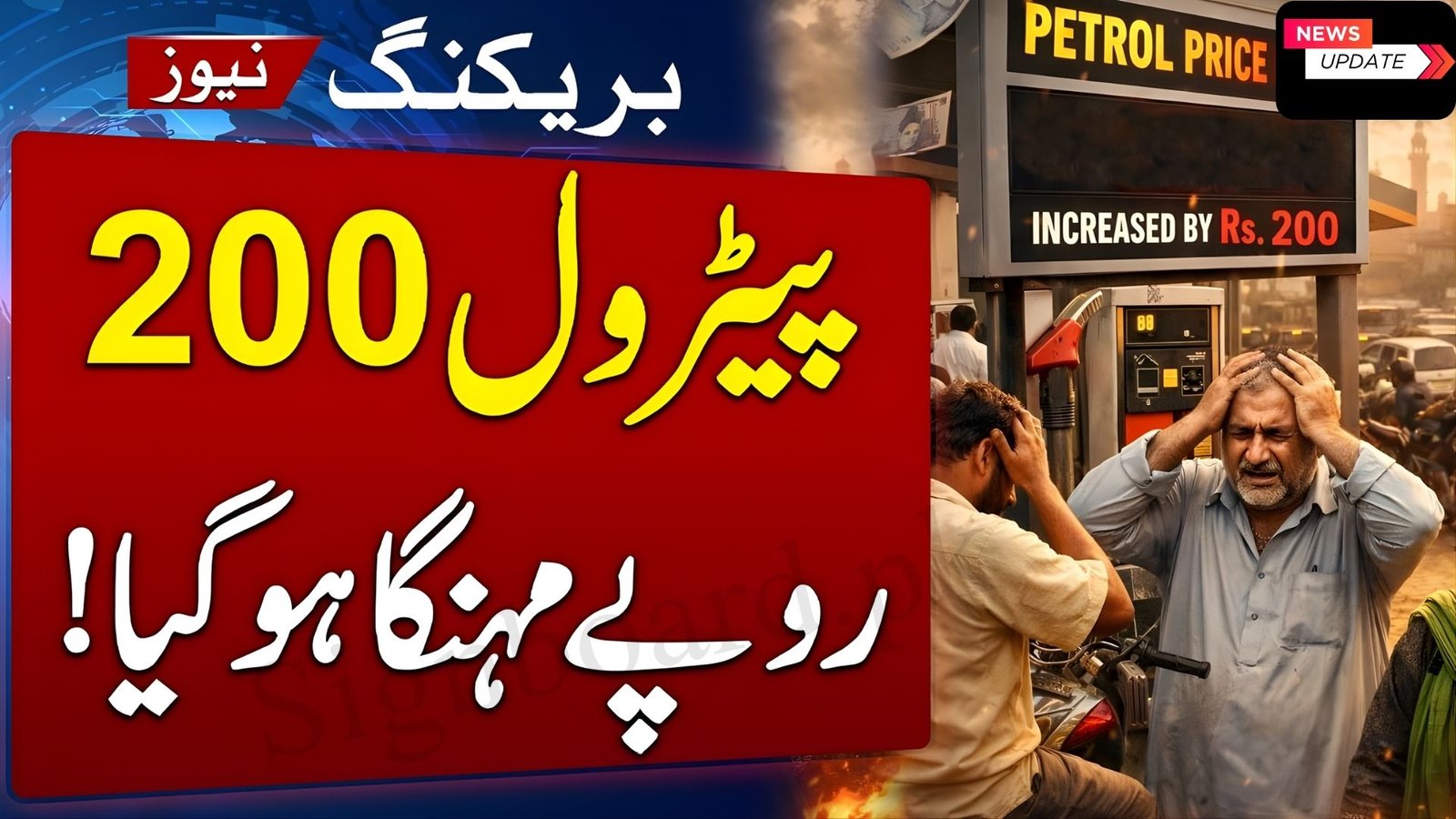
Govt Increases High Octane Price by Shocking Rs. 200 per Litre
The recent announcement of a significant increase in High Octane fuel prices by Rs. 200 per litre has sparked widespread concern among citizens across Pakistan. According to updates grounded in government pricing mechanisms and petroleum division policies, this steep rise is attributed to factors such as fluctuations in the global oil market, depreciation of the local currency, and adjustments in taxes.
High Octane fuel, commonly used in luxury vehicles and high-performance engines, is already categorized as a premium product. However, this sudden and substantial price hike has intensified worries about its affordability and the added economic burden on consumers, especially those who rely on such fuel for their vehicles. The development has prompted calls for careful consideration of the impact on the public and the broader economy.

Why Did the Government Increase Prices?
The government typically revises petroleum prices every 15 days based on recommendations from the Oil and Gas Regulatory Authority (OGRA) and the Petroleum Division Pakistan. The following key factors contributed to this increase:
- Rising global crude oil prices
- Depreciation of the Pakistani Rupee
- Increase in petroleum levy and taxes
- Import and freight cost adjustments
Officials claim that these revisions are necessary to maintain economic stability and meet international financial obligations.
Impact on the Public
The Govt Increases High Octane Price by Shocking Rs. 200 per Litre will not only affect luxury car owners but may also have indirect consequences:
- Increased transportation costs
- Higher inflation in goods and services
- Pressure on middle and upper-middle-class households
- Rise in operational costs for businesses using premium fuel
Even though Govt Increases High Octane Price by Shocking Rs. 200 per Litre is not widely used by the general public, its price still influences the overall fuel market.
Quick Overview Table
| Category | Previous Price | New Price | Impact Level |
| High Octane Fuel | Rs. X | Rs. X+200 | Very High Impact |
| Petrol (Regular) | Slight Change | Slight | Moderate Impact |
| Diesel | Minor Change | Minor | Moderate Impact |
| Transportation Cost | Stable | Increased | High Impact |
| Inflation Rate | Controlled | Rising | Significant Impact |
| Business Operations | Normal | Costly | High Impact |
| Consumer Spending | Balanced | Reduced | Negative Impact |
Government’s Official Position
According to officials, the price hike is not a standalone decision but part of a broader economic strategy. The government emphasizes that petroleum pricing is linked to international benchmarks and cannot be fully controlled locally.
Authorities have also stated that subsidies on fuel are limited due to fiscal constraints, and any relief must be balanced with national economic goals.
FAQs
Q1: Why is High Octane fuel so expensive now?
Due to global oil prices, currency devaluation, and increased taxes.
Q2: Does this affect regular petrol users?
Indirectly yes, as overall fuel market trends influence general prices.
Q3: Who decides fuel prices in Pakistan?
Prices are recommended by OGRA and approved by the government.
Q4: Will prices decrease soon?
It depends on international oil prices and economic conditions.
Q5: Is there any subsidy available?
Currently, subsidies are limited due to economic challenges.
Conclusion
The shocking Rs. 200 per litre increase in High Octane fuel underscores the ongoing economic challenges confronting Pakistan. While the government points to global market dynamics and fiscal pressures as the reasons behind the hike, the direct impact on citizens is clear and significant. To cope with rising fuel costs, staying informed about price changes and adjusting spending habits accordingly can help individuals better manage their budgets during this period of economic strain.